The Moon's Own Palette: Assembling a Celestial Capsule Wardrobe Built to Last
The Moon's Own Palette: Assembling a Celestial Wardrobe Built to Last
There is a particular kind of confidence that comes from opening a closet and knowing, without hesitation, that everything inside it belongs together. Not because it is uniform or predictable, but because it has been assembled with the same quiet deliberateness that governs the night sky. The moon does not compete with the stars. It simply illuminates—and a well-considered capsule wardrobe should do precisely the same.
At La Lune, we believe that the most enduring style is not dictated by the runway calendar. It is drawn from something older and more instinctive: the colors of moonrise over still water, the gradients of a winter sky, the soft luminescence of pearl against shadow. Building a wardrobe around this celestial palette is not an aesthetic exercise alone. It is a practical philosophy—one that saves money, reduces decision fatigue, and produces an elegance that reads as effortless even when it is, in fact, deeply intentional.
Understanding the Lunar Palette
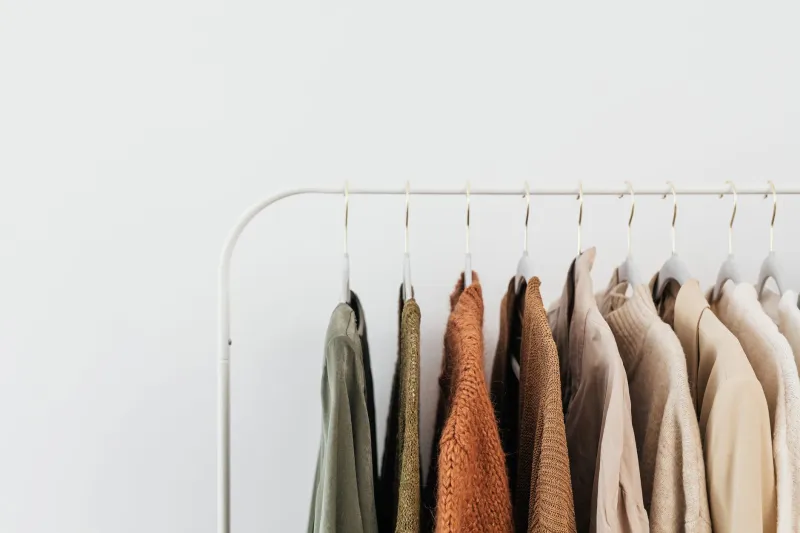
Before a single garment is purchased, clarity about color is essential. The lunar palette is not simply "neutrals" in the conventional retail sense. It is a curated spectrum that moves from the palest pearl white through soft dove gray, warm silver, cool slate, and deep charcoal—with occasional gestures toward midnight navy and muted champagne at the edges.
What distinguishes this palette from generic minimalist dressing is its inherent luminosity. Each shade should carry a subtle reflective quality, whether through fabric weave, surface finish, or the natural sheen of high-quality fibers. Think of the difference between a flat gray jersey and a brushed wool in the same tone: the latter catches light the way the moon's surface catches the sun, with depth and dimension rather than flatness.
The foundational rule is deceptively simple: every piece must work with every other piece. When the palette is this cohesive, that becomes achievable without sacrificing visual interest.
The Twelve Essential Pieces
A true capsule need not be large. Twelve pieces, chosen with precision, can generate more than forty distinct outfits—more than enough for the modern professional navigating the full range of contemporary American life.
The Pearl-White Silk Blouse. No single item earns its place more reliably. Worn tucked into charcoal trousers for a presentation, loosely over wide-leg gray trousers for a gallery opening, or beneath a structured blazer for travel, it is the most versatile garment in the lunar wardrobe. Invest in real silk or a high-quality silk-satin blend; synthetics rarely carry the same luminous quality.
The Dove-Gray Cashmere Crewneck. American winters demand warmth, but warmth need not compromise elegance. A mid-weight cashmere crewneck in dove gray layers over everything and under everything with equal grace. Brands such as Naadam and Quince offer exceptional quality at accessible price points, while Loro Piana remains the aspirational benchmark.
The Charcoal Wide-Leg Trouser. Structured, long-lined, and cut with enough volume to move beautifully, this is the anchor of the entire wardrobe. In a heavy crepe or a tailored wool-blend, charcoal trousers bridge casual and formal with a fluidity that black—too harsh, too final—cannot always achieve.
The Silver-Gray Blazer. Not the boxy office staple of decades past, but a contemporary silhouette with slightly relaxed shoulders and a clean lapel. Worn open over a silk blouse or belted over a dress, this piece is a masterclass in the lunar wardrobe's central promise: that polish and ease are not opposites.
The Slate Midi Dress. In a fluid fabric—matte satin, heavy crepe, or washed silk—a slate midi dress moves between seasons with remarkable agility. Layer it with the cashmere crewneck in cooler months, or wear it alone in summer with minimal jewelry.
The Pearl-White Straight-Leg Trouser. A counterpoint to the charcoal, these trousers introduce brightness without abandoning the palette. They are the piece that makes the wardrobe feel intentional rather than somber.
The Charcoal Wool Coat. In the northern United States, a great coat is not optional. A double-faced wool coat in deep charcoal, cut to at least knee length, is the outermost expression of the lunar aesthetic—and the piece most visible to the world.
The Muted Silver Knit. A fine-gauge ribbed knit in a warm silver tone bridges the gap between the pale and dark ends of the palette. It reads as sophisticated rather than casual and pairs equally well with trousers, skirts, or layered under the blazer.
The Gray Leather Belt. Accessories anchor a capsule. A sleek belt in gray leather or suede—not black, which would interrupt the palette's cohesion—defines the waist and adds structural interest without visual noise.
Pearl Stud Earrings. The jewelry equivalent of a white shirt, pearl studs in any size from delicate to dramatic are the finishing note that the lunar wardrobe requires. Freshwater pearls from brands like Mejuri offer modern proportions at accessible prices.
The Ivory Silk Scarf. A generous square in ivory or pale cream silk performs multiple functions: neck wrap, bag accessory, hair tie, or lightweight layer. It is the wardrobe's most poetic piece.
The Silver-Toned Ankle Boot. Not metallic in a costume sense, but a leather boot in a cool, slightly reflective gray-silver that grounds the palette from the floor up. A low block heel keeps it wearable across long days.
Styling the Lunar Wardrobe Through Every Season
The genius of this collection is its seasonal fluidity. In autumn, charcoal trousers meet the cashmere crewneck and wool coat for a look that is both warm and urbane. In winter, the slate dress layers under the blazer and beneath the coat, with pearl studs catching the cold light. Spring invites the pearl-white blouse paired with the wide-leg trouser and silk scarf, while summer reduces the equation to its most minimal expression: the midi dress, the earrings, the ankle boot exchanged for a simple silver sandal.
The wardrobe does not change with the seasons so much as it breathes with them—expanding and contracting, layering and shedding, while the underlying palette remains constant.
Investing Wisely: Quality Over Quantity
The lunar capsule is, by design, an investment exercise. Each piece should be purchased with the expectation of wearing it for a minimum of five years. This reframes the economics entirely: a $400 silk blouse worn 150 times costs less per wear than a $60 synthetic alternative that pills after a season.
Prioritize natural fibers—wool, silk, cashmere, leather—wherever possible. They age with dignity, respond to care, and carry the textural depth that the lunar palette demands. Synthetics, with rare exceptions, flatten the light rather than reflecting it.
Shop deliberately. Consignment platforms like The RealReal and Vestiaire Collective offer access to luxury pieces at reduced prices, making the investment wardrobe accessible at multiple budget levels.
The Philosophy Behind the Palette
Dressing well has always been, at its most fundamental level, an act of self-knowledge. To choose the lunar palette is to choose permanence over novelty, depth over distraction, and a relationship with one's wardrobe that is defined by intention rather than impulse.
The moon does not change its light based on what is fashionable. It simply endures—luminous, consistent, and quietly extraordinary. A wardrobe built in its image aspires to the same.