Dress by the Moon: A Four-Phase Wardrobe Ritual for the Seasonally Intentional Woman
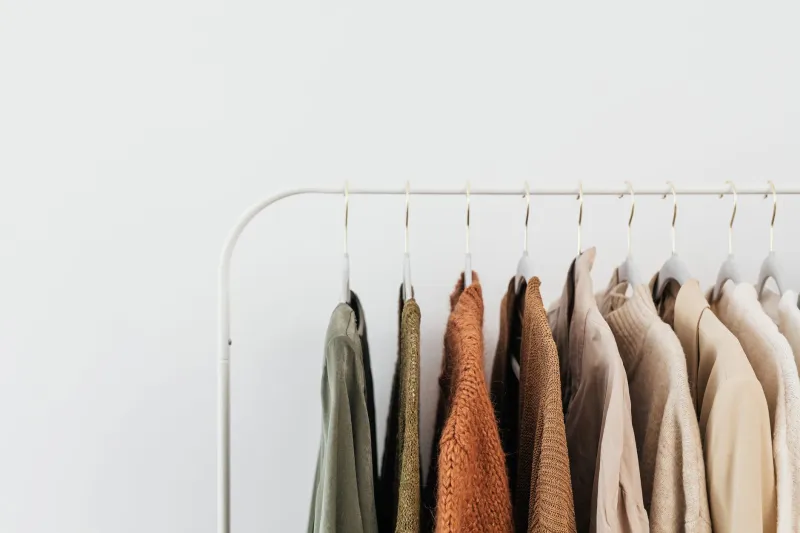
The fashion industry has always been governed by calendars—resort, pre-fall, fall/winter, spring/summer—a relentless forward motion designed to generate desire and, by extension, consumption. For the discerning woman who prefers to curate rather than accumulate, this rhythm can feel more exhausting than inspiring.
There is another way to think about seasonal dressing, one that is older than any fashion house and more enduring than any trend cycle. The moon has been marking time for as long as there has been time to mark. Its four primary phases—New Moon, Waxing Moon, Full Moon, and Waning Moon—offer a framework for wardrobe transitions that is both practically useful and genuinely beautiful: a way of refreshing one's style with intention, connecting each sartorial shift to a moment of natural meaning.
At La Lune, this is the philosophy we live by. What follows is our guide to dressing through the lunar cycle—not as costume, not as mysticism, but as a thoughtful, elegant approach to the art of getting dressed.
Phase One: The New Moon — Beginnings, Restraint, and the Power of the Blank Page
Aligned with: Late Winter into Early Spring
The New Moon is invisible—a sky unmarked by reflected light, a moment of pure potential before anything has yet been decided. As a wardrobe philosophy, it is the most demanding phase, and the most rewarding.
The Approach: Use this phase as a moment of radical editing. Before adding anything new to the wardrobe, remove what no longer serves. The New Moon is not about acquisition; it is about clarity. Lay every garment on the bed. Ask of each one not merely "do I wear this?" but "does this still reflect who I am becoming?"
The Palette: Chalk white, the palest gray, barely-there ivory. These are not the whites of summer—they are winter whites, cool and considered, with the quiet authority of fresh snow in morning light. Introduce them through blouses, lightweight knits, and tailored trousers that feel clean without feeling cold.
Fabrics to Reach For: Fine-gauge merino wool, silk-cotton blends, and brushed cotton in smooth weaves. Avoid heavy textures—this phase calls for simplicity of surface.
The Accessory Shift: Replace statement jewelry with the most minimal pieces you own. A single fine chain in white gold or silver, stud earrings, a watch with a pale face. The New Moon is not the moment for adornment; it is the moment for the self beneath the adornment to be legible.
The Styling Intention: Dress as though everything is possible and nothing is yet decided. Monochromatic dressing in pale tones—trouser, blouse, and blazer in the same ivory register—produces a silhouette that reads as both modern and quietly powerful. This is the wardrobe of a woman who has not yet revealed her hand.
One Investment Piece for This Phase: A beautifully cut white blazer in a substantial crepe or heavy cotton. It will anchor this phase and carry forward into every subsequent one.
Phase Two: The Waxing Moon — Building, Layering, and the Art of Considered Addition
Aligned with: Spring into Early Summer
The Waxing Moon grows in visibility each night, adding light incrementally, building toward fullness without haste. As a wardrobe philosophy, this is the phase of considered expansion: adding pieces thoughtfully, layering with purpose, allowing the wardrobe to build toward its most expressive moment.
The Approach: This is the appropriate moment to introduce new pieces—but selectively. The Waxing Moon does not rush toward fullness. Each addition should be deliberate, each new garment considered in relationship to what already exists. Ask: does this expand the wardrobe's possibilities, or merely add volume?
The Palette: Silver, pale blue-gray, and the softest blush that still reads as neutral rather than pink. These are the colors of the sky in the hour before dawn—not quite dark, not yet bright, suspended in a luminous in-between. They layer beautifully with the whites and ivories of the New Moon phase.
Fabrics to Reach For: Lightweight linen in fine weaves, silk organza, fluid jersey, and the first cotton voiles of the season. The Waxing Moon wardrobe should feel as though it is building toward something—slightly more substantial than the New Moon's minimalism, but not yet fully arrived.
The Accessory Shift: Introduce layering into jewelry: two fine chains worn together, a ring alongside a bracelet, earrings that are slightly more present than the New Moon's studs. The waxing phase rewards gradual accumulation.
The Styling Intention: Experiment with proportion. A fluid wide-leg trouser with a fitted silk blouse, a structured blazer over a slip dress, a light scarf worn as a belt. The Waxing Moon is the wardrobe's most playful phase—the moment when possibilities are being explored before a final form is chosen.
One Investment Piece for This Phase: A pair of wide-leg trousers in pale silver-gray silk or fluid crepe. They will carry through to the Full Moon phase and represent the wardrobe's first gesture toward true luxury.
Phase Three: The Full Moon — Culmination, Radiance, and Dressing at Full Presence
Aligned with: High Summer into Early Fall
The Full Moon is the wardrobe's most celebratory moment. This is the phase of maximum expression, of dressing with the full confidence of a woman who knows exactly who she is and has dressed accordingly. It is not about excess—it is about completeness.
The Approach: The Full Moon phase calls for the most polished, most considered version of the lunar wardrobe. Every piece should be in its best condition, every combination deliberate, every accessory chosen with care. This is not the moment for experimentation; it is the moment for mastery.
The Palette: Deep charcoal, midnight blue-black, and the richest silver—the colors of the night sky when the moon is fully visible. Introduce depth and drama after months of pale building. A deep charcoal gown, a midnight blazer, silver shoes that catch the evening light: these are the wardrobe's most powerful expressions.
Fabrics to Reach For: Heavy silk satin, velvet in restrained quantities, substantial wool crepe, and leather in gray or silver tones. The Full Moon wardrobe should have weight and presence—fabrics that drape with authority and move with intention.
The Accessory Shift: This is the phase for statement pieces. Pearl drop earrings, a sculptural silver cuff, a structured evening bag in pewter or ivory. The accessories of the Full Moon phase are not additions to the outfit; they are equal participants in it.
The Styling Intention: Dress with complete confidence. Wear the piece you have been saving. Make the reservation at the restaurant that requires an effort. The Full Moon is not a moment to hold back—it is a moment to be fully, radiantly present.
One Investment Piece for This Phase: A bias-cut gown or slip dress in heavy silk charmeuse in deep charcoal or midnight. It is the wardrobe's most luminous piece—the one that, years from now, you will still reach for.
Phase Four: The Waning Moon — Release, Reflection, and the Elegance of Letting Go
Aligned with: Late Fall into Early Winter
The Waning Moon is perhaps the most philosophically rich phase of the cycle—and the most undervalued in the context of fashion. As the moon retreats from fullness, it does not diminish; it distills. What remains is essence. The Waning Moon wardrobe asks the same question of every garment: what remains when everything unnecessary has been removed?
The Approach: Begin the process of thoughtful release. Identify pieces that have completed their purpose—that served the wardrobe beautifully but no longer align with where it is heading. Consign them, donate them, or gift them. The Waning Moon is not about loss; it is about making space for what comes next.
The Palette: Warm gray, soft taupe, the deepest charcoal softened with the addition of cashmere textures. These are the colors of late-autumn light—still beautiful, but quieter, more interior. They pair with the deep tones of the Full Moon phase to create the season's most layered, most textured combinations.
Fabrics to Reach For: Cashmere in all its weights, boiled wool, heavy flannel, and the warmest silks. The Waning Moon wardrobe should feel like an embrace—substantial, warm, and deeply considered.
The Accessory Shift: Return toward simplicity. The statement pieces of the Full Moon phase give way to the most beloved, most personal accessories: the watch inherited from a grandmother, the pearl earrings worn so often they have become part of the self, the scarf that has traveled everywhere.
The Styling Intention: Dress for comfort without sacrificing elegance. The Waning Moon is the wardrobe's most intimate phase—the moment of dressing for oneself rather than for an occasion. It is, in many ways, the most honest phase of all.
One Investment Piece for This Phase: A cashmere wrap or oversized cashmere coat in warm gray. It is the final, most enveloping layer—the garment that carries you from the Waning Moon back to the New, completing the cycle with grace.
A Note on the Cycle Itself
What makes this framework genuinely useful—beyond its poetic appeal—is that it replaces the anxiety of trend-chasing with the calm of a predictable, meaningful rhythm. The lunar cycle does not surprise you. It returns, reliably, to its beginning. And in that return, there is not repetition but renewal: the same phases, approached with a year's more wisdom, a year's more clarity about what truly belongs.
This is, ultimately, the promise of dressing by the moon: not a wardrobe that is always new, but one that is always becoming.