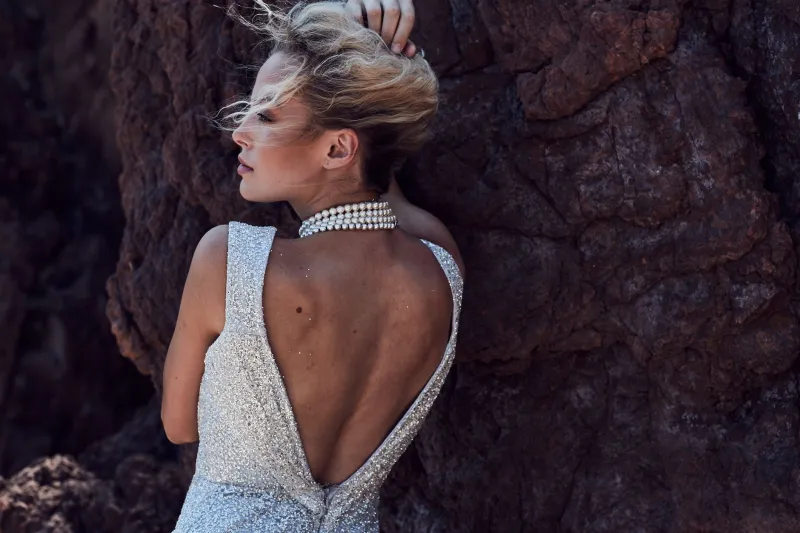
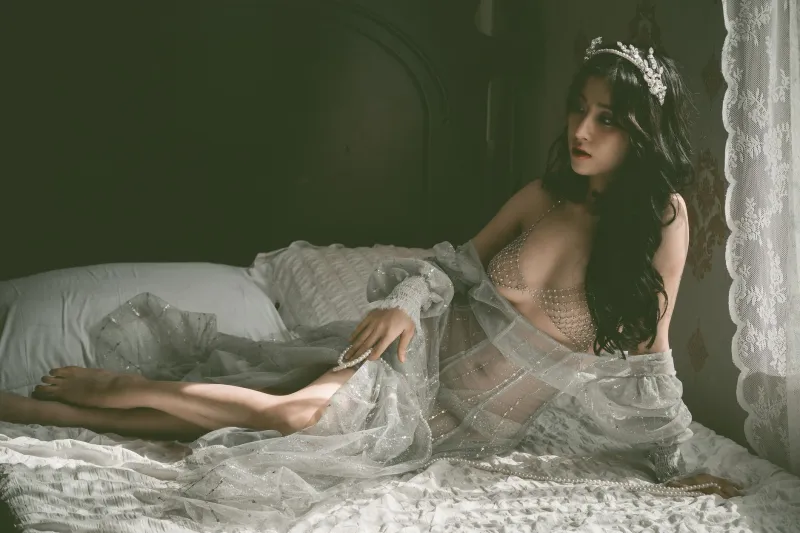
The Quiet Moon: On Lunar Restraint as the Truest Expression of Contemporary Luxury
Consider the moon for a moment — not as metaphor, but as phenomenon. It does not compete with the sun for attention. It does not announce its rising with fanfare or its setting with apology. It simply appears, exercises its gravitational influence on oceans and tides and the rhythms of living things, and withdraws. Its authority is total and entirely undemonstrated.
There is a lesson in this for luxury fashion, and a growing number of its most thoughtful practitioners appear to be learning it.
The Exhaustion of Excess
The dominant aesthetic of the 2010s — maximalism in its many forms, from streetwear logomania to the maximalist interiors of the so-called Instagram aesthetic — was, in retrospect, a symptom of cultural anxiety rather than genuine confidence. When a garment must announce its own value through visible branding, it reveals an insecurity about whether that value would be recognized without the announcement. True luxury, as the most discerning consumers have always understood, requires no such declaration.
This recognition is not new. The quiet authority of Jil Sander's minimalism, the austere precision of early Calvin Klein, the deliberate restraint of The Row — these have always represented a particular strand of American luxury thinking that prizes understatement as the highest form of taste. What is new is the cultural context in which that thinking now operates.
We are, as a society, fatigued. Fatigued by noise, by spectacle, by the relentless demand for attention that digital culture has normalized. In that context, the person who does not need to shout — who dresses with quiet authority and moves through the world without seeking validation — has become the most compelling figure in the room. The moon, in other words, is having a cultural moment.
Lunar Symbolism as Aesthetic Philosophy
What makes the moon particularly resonant as a symbol for this emerging luxury sensibility is the specificity of what it represents. Unlike the sun — dynamic, aggressive, immediately commanding — the moon operates on longer cycles and subtler frequencies. It is the symbol of patience, of consistent return, of beauty that reveals itself gradually rather than all at once.
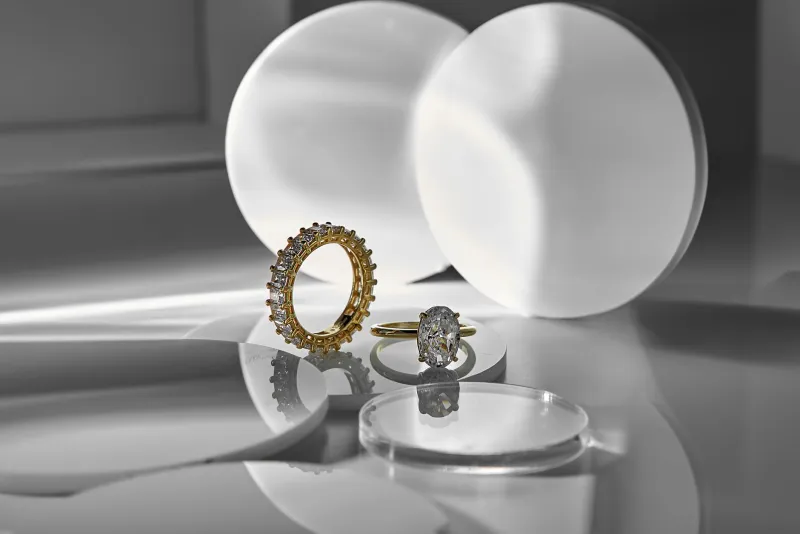
These are precisely the qualities that the new luxury consumer is seeking to project and to possess. The woman who chooses a single, exquisitely made piece of moonstone jewelry over a statement necklace encrusted with branded logos is making a philosophical declaration as much as a stylistic one. She is asserting that her taste is not contingent on trend cycles, that her identity does not require external validation, and that she understands the difference between things that are expensive and things that are genuinely valuable.
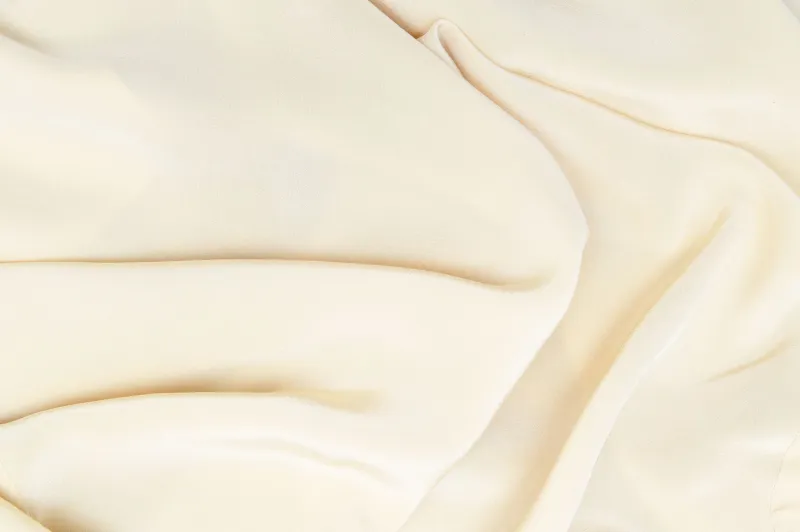
Designers who have understood this have begun encoding lunar philosophy directly into their work — not through obvious celestial motifs, but through the qualities the moon embodies: softness of surface, coolness of palette, forms that suggest completion and wholeness without ostentation. The crescent is one expression of this. But so is a perfectly draped ivory silk that moves like moonlight on water, or a coat in pale grey cashmere that seems to absorb and reflect light simultaneously.
The Anti-Logo as Statement
Perhaps the most significant manifestation of lunar restraint in contemporary luxury fashion is the deliberate removal of visible branding from the most coveted pieces. The houses that currently command the highest levels of respect among genuinely affluent American consumers — as opposed to aspirational consumers for whom the logo remains a primary value driver — are those that trust their clients to recognize quality without being told what they are looking at.
This is the sartorial equivalent of the moon's quiet authority. When a piece of clothing or jewelry communicates its value through material quality, construction precision, and design intelligence rather than through a visible name or monogram, it enters into a different relationship with its wearer. It becomes genuinely personal rather than merely purchased. It belongs to the person, not to the brand.
The secondary market data supports this reading. Pieces from houses celebrated for quiet excellence — The Row, Bottega Veneta under Daniel Lee's tenure, Loro Piana — have demonstrated consistent resale strength precisely because their value is intrinsic rather than logocentric. The branding, where it exists at all, is hidden: inside a collar, beneath a cuff, invisible to anyone who has not been invited close enough to look.
A New Generational Compact
It is worth noting that this shift is not simply a reaction against excess but a positive embrace of a different set of values — values that younger affluent consumers, in particular, are articulating with increasing clarity. The millennial and Gen Z luxury consumer who has grown up with unlimited access to brand imagery is, paradoxically, the most sophisticated decoder of authenticity signals in the market's history. They cannot be impressed by visibility alone because they have seen too much of it.
What impresses them is conviction. The conviction to make something slowly and well. The conviction to let that quality speak for itself. The conviction to align with the rhythms of the natural world rather than the accelerating tempo of trend cycles. These are lunar values, and they are becoming luxury values.
The Moon Does Not Apologize for Its Phases
There is one final dimension of lunar philosophy that deserves consideration in this context: the moon's acceptance of its own cycles. It does not attempt to remain full. It waxes, it wanes, it disappears entirely, and it returns. This cyclical honesty — the refusal to pretend at permanence — is itself a form of confidence that the most evolved luxury brands are beginning to model.
Collections that acknowledge the seasons rather than fighting them. Houses that produce less but produce better. Designers who are willing to let a silhouette rest for several seasons rather than forcing novelty for its own sake. These are expressions of the same quiet authority that the moon exercises simply by being what it is, without apology or embellishment.
The maximalist moment is not over — it never entirely ends, because spectacle will always find an audience. But the countermovement is real, it is gathering force, and it is wearing something understated. Look closely and you will see it: a cool, pale luminosity that does not demand your attention but, once noticed, is impossible to forget.