Shooting by Moonlight: How Nocturnal Campaigns Are Redefining Luxury Fashion Imagery
There is a particular quality to moonlight that no softbox or LED rig has ever successfully replicated. It is diffused yet directional, cool yet intimate — a light source that has guided artists, poets, and dreamers for millennia. Now, it is guiding the creative directors of some of the world's most storied fashion houses.
Over the past several seasons, a discernible movement has taken shape within luxury fashion photography. Brands that once relied on the pristine predictability of studio environments are increasingly commissioning campaigns shot entirely after dark, under open skies, with the moon as collaborator. The results are arresting, and the cultural implications run deeper than mere aesthetic novelty.
The Rejection of Artificial Perfection
For decades, the grammar of luxury fashion imagery was written in controlled light. Flawless backdrops, meticulous retouching, and technically immaculate compositions communicated a certain aspirational remove — a world apart from the imperfect textures of everyday life. That language, however, is losing its authority.
Contemporary consumers, particularly those in the affluent millennial and Gen Z demographics that luxury houses are actively courting, have grown skeptical of manufactured perfection. They have been raised on social media's unfiltered immediacy and have developed a refined sensitivity to inauthenticity. The overlit, overstyled campaign image increasingly reads not as aspirational but as artificial.
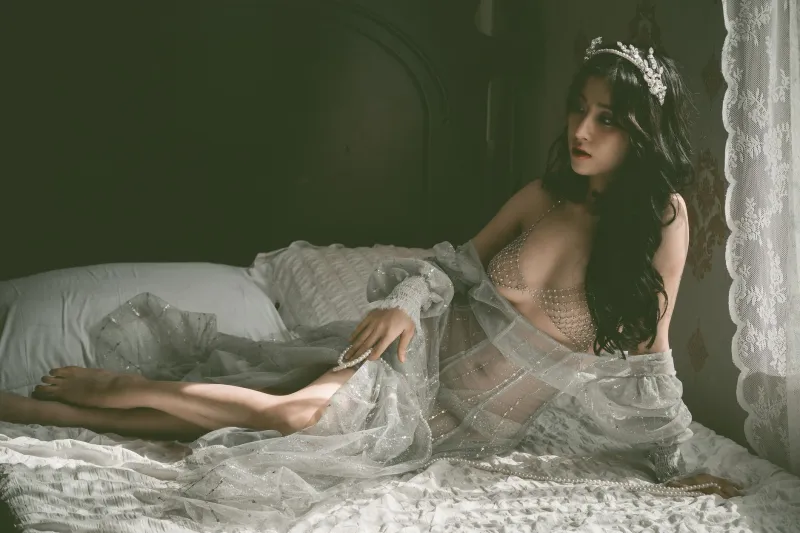
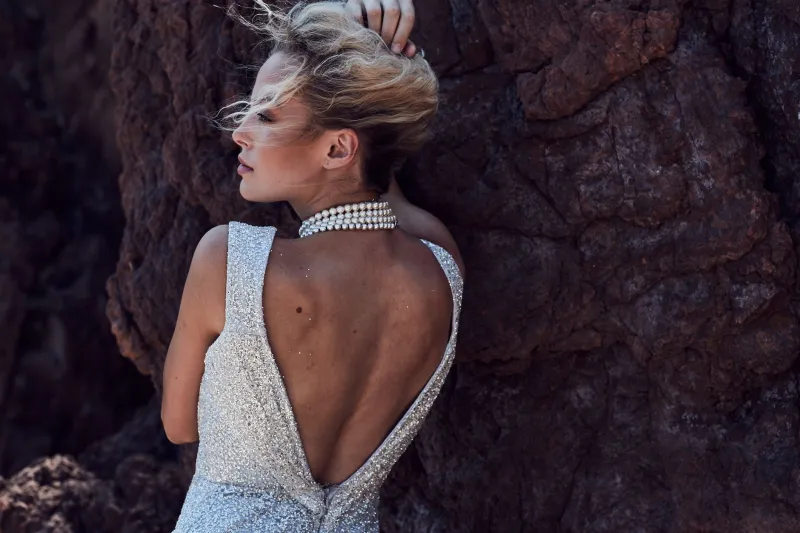
Nocturnal photography, by contrast, introduces productive unpredictability. The slight grain of a high-ISO night exposure, the way a silk gown catches the cold blue of lunar light, the long shadows cast across a garden or cobblestone terrace — these elements carry an organic authority that studio work simply cannot manufacture. They suggest that the garment exists in the world, not merely in imagination.
Designers Who Are Leading the Shift
While the trend is broadly distributed across the industry, certain houses have embraced nocturnal aesthetics with particular conviction. Campaigns staged in locations ranging from the Sonoran Desert under a full moon to the rooftops of Manhattan at midnight have begun appearing in the editorial pages of American Vogue and Harper's Bazaar, signaling that this is no passing experiment.
The appeal extends beyond photography into runway presentation itself. Several recent New York Fashion Week presentations have incorporated dusk and twilight timing, allowing natural fading light to serve as the opening act before artificial illumination takes over. The symbolic resonance is deliberate: the collection emerges from the liminal hour, from the threshold between the known and the mysterious.
Photographers specializing in this nocturnal idiom speak of the discipline it demands. Unlike studio work, moonlit shoots cannot be fully controlled or predicted. Cloud cover shifts. Moonrise arrives at its own pace. These constraints, paradoxically, are precisely what make the resulting images feel so alive.
Lunar Aesthetics as Authenticity Signal
The deeper cultural logic at work here concerns the evolving definition of luxury itself. For much of the twentieth century, luxury was communicated through excess — more gold, more volume, more visible expenditure. The twenty-first century has progressively complicated that formula. The most admired luxury objects now often communicate through restraint, craft, and narrative depth rather than ostentation.
Moonlight, as an aesthetic choice, encodes all of these values simultaneously. It is available to no one and cannot be purchased. It is ancient and entirely indifferent to commercial calendars. A garment photographed under moonlight is implicitly placed within a story that predates the brand and will outlast any trend cycle. That is an extraordinarily powerful positioning for any house seeking to project enduring cultural relevance.
For American luxury consumers in particular, the moonlit campaign carries an additional resonance. There is a long tradition in American visual culture — from the Hudson River School painters to the landscape photography of Ansel Adams — of finding the sublime in natural light and open terrain. Nocturnal fashion campaigns tap into that tradition, lending their subjects an almost mythological grandeur.
The Technical Craft Behind the Magic
It would be a mistake to romanticize the process without acknowledging its considerable technical demands. Shooting by moonlight requires a level of preparation and expertise that far exceeds standard location work. Photographers must calculate lunar phases and moonrise times weeks in advance, scout locations for both aesthetic and logistical suitability, and work with models and stylists who can maintain composure and precision through long, cold nights.
The equipment demands are equally exacting. Modern mirrorless camera systems with exceptional low-light performance have made moonlit fashion photography more achievable than it was even five years ago, but the work remains technically unforgiving. A single miscalculation in exposure can render an entire night's work unusable.
This difficulty, however, is arguably part of the value proposition. The labor-intensive nature of nocturnal campaigns communicates, to those who understand it, a level of commitment that distinguishes a house willing to pursue genuine beauty from one merely following a trend.
What Comes Next
As with any movement that achieves mainstream visibility, the nocturnal campaign aesthetic will inevitably be diluted by imitation. Brands without the resources or creative conviction to execute genuine moonlit photography will approximate its surface qualities through post-production filters and art-directed lighting rigs. The initiated eye will recognize the difference.
What will endure, however, is the underlying aspiration that the trend reflects: a desire for luxury imagery that feels earned rather than manufactured, that situates beautiful objects within the larger story of the natural world, and that trusts the intelligence of its audience enough to leave something to the imagination.
The moon, after all, has always rewarded those who take the time to look up.